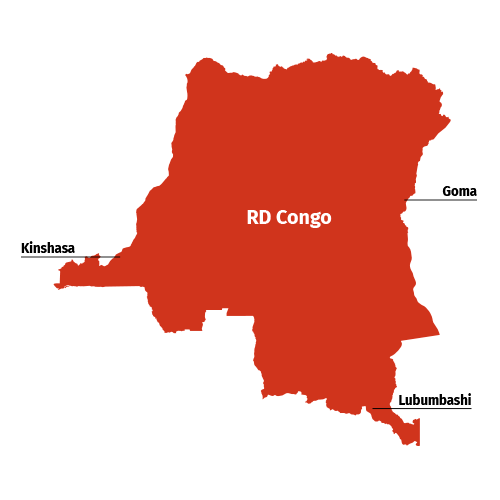
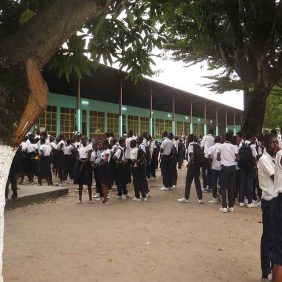
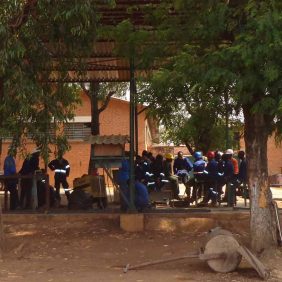
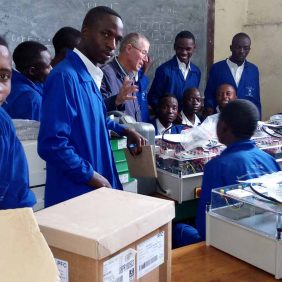
The DRC is one of the poorest countries in the world, with a human development index ranking it 188rd out of 193 countries in 2023-24. According to the UNDP, 88% of the population lives on less than $2.15 a day and nearly 73.5% of the working population is employed in the informal sector. The Congolese government estimated the unemployment rate at 43%. In a climate of political instability, opportunities for development are severely limited for the population. Despite significant economic growth in recent years, the Congolese education and health systems are in a state of extreme precariousness, underfunded by the state and characterised by a lack of infrastructure, equipment, qualified personnel, etc. The national literacy rate is estimated at 68%, and a significant number of young people do not complete their schooling, particularly girls.
Our beneficiaries
Disadvantaged Congolese young, the unemployed, small entrepreneurs, people in need of continuos training and professors and administrative staff of our partners.
0
projects
0
partners
Our partners
RDC Entreprises Développement (RDCED). DRC Business Development
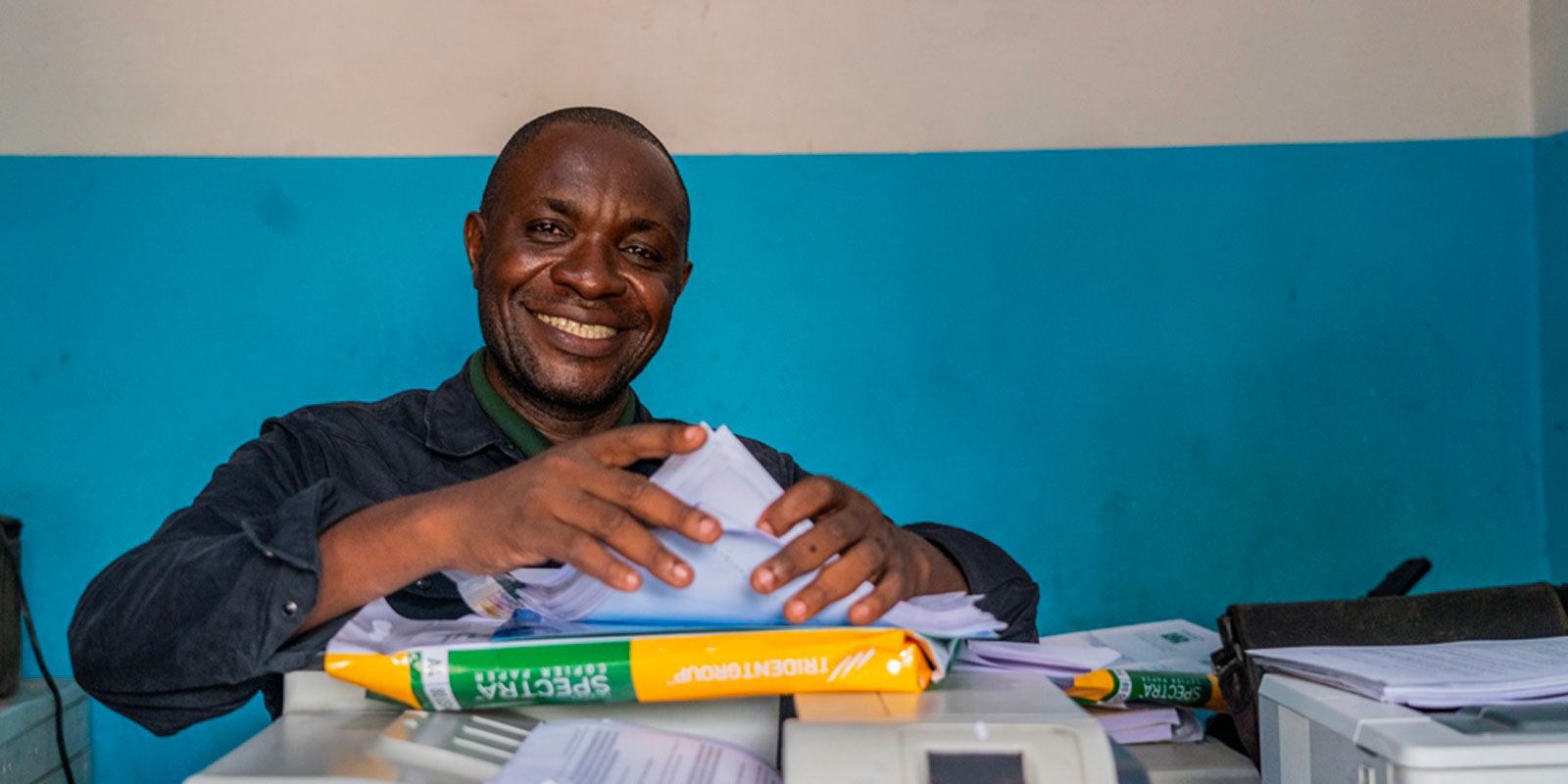
Founded in 2014, RDC Entreprises Développement is a Congolese association whose objective is to promote family-based entrepreneurship and help small businesses improve their management practices. Their vision is that entrepreneurship, as a driver of local employment, contributes to the dynamism and economic development of the DRC.
Bureau Salésien des Projets (BSP)
The Bureau Salésien des Projets (BSP) is a body responsible for coordinating and implementing projects run by the Don Bosco Charities, an organisation that has been involved in vocational training and education for young Congolese people for many years. Its main aim is to support school management and teachers in order to optimise the running of schools and improve the acquisition and transmission of skills.
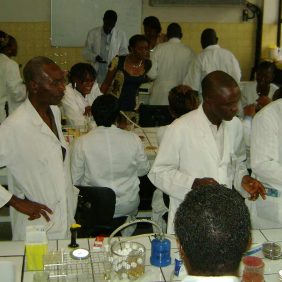
Created in 2001, CEFA aims to strengthen Congolese health structures through continuing professional development. Public and private recognition of the quality of its work has earned it the status of a key strategic player in the country’s health recovery. Since 2010, CEFA has developed numerous partnerships and expanded its continuing professional development activities throughout the country.
Higher Institute of Nursing Sciences (ISSI)
Founded in 1997 in Kinshasa, ISSI offers a four-year higher education nursing programme. Recognised for the quality of its training, ISSI welcomes students from all over the country. The Institute welcomes students from all over the country, the majority of whom receive scholarships to enable them to pursue their studies.
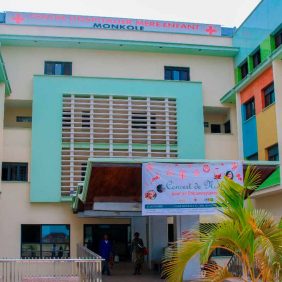
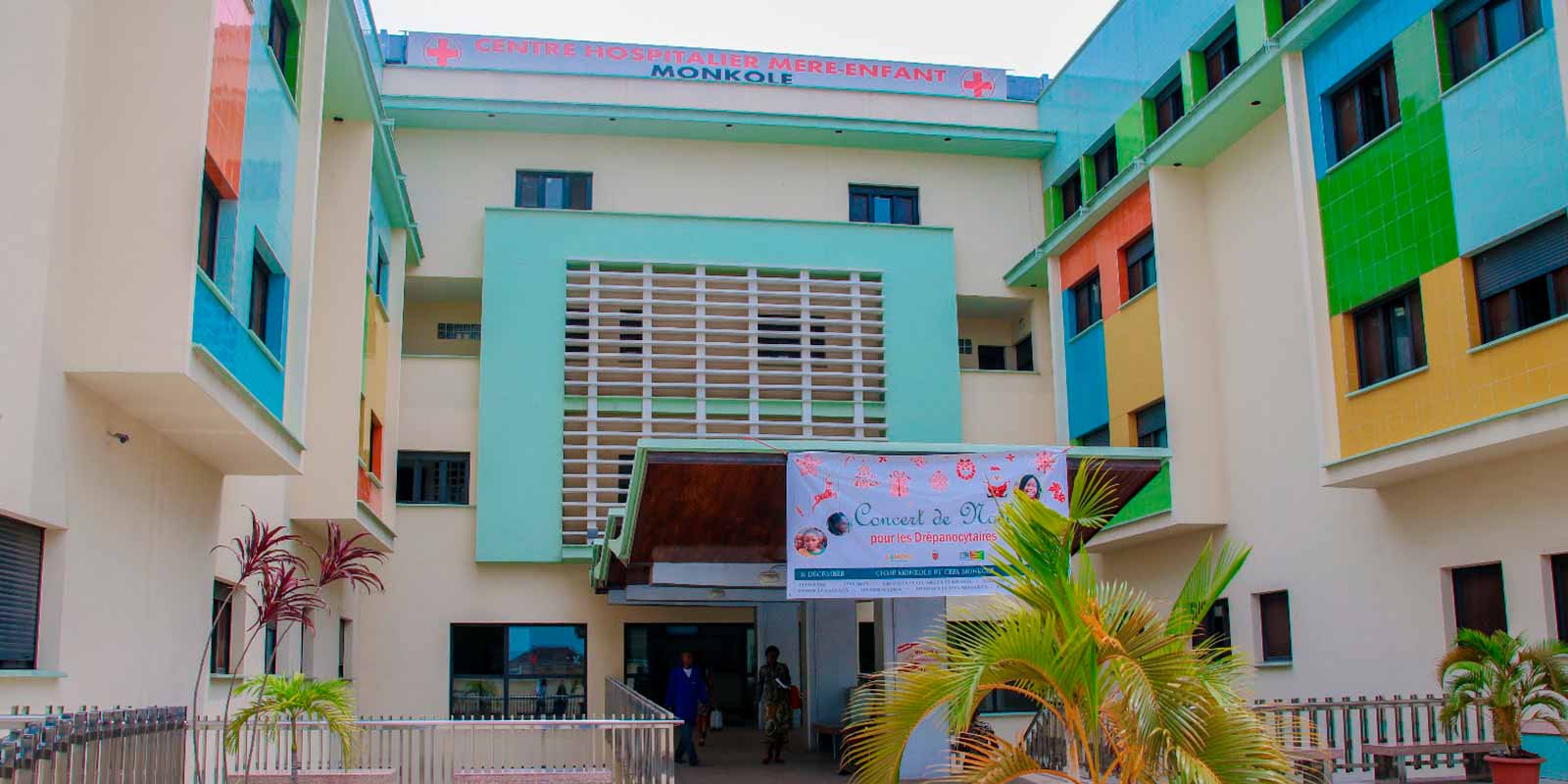
Established in 1991 on the initiative of the Congolese Centre for Culture, Training and Development (CECFOR), the CHME aims to provide the people of Kinshasa with access to high-quality hospital care and has a research unit capable of promoting research that addresses the country’s health challenges. The CHME is currently one of the largest healthcare centres in the country and the main hospital for an area with a population of over 600,000.